
If you are an engineer or surveyor planning your own survey office in Egypt, this guide walks you through it: the basic paperwork, the instruments and software to start with, the team, the services to open with, how to win your first clients, and the mistakes many offices make in their first year. We wrote it from our experience as a survey office and equipment supplier in Alexandria.
1. Decide the office type and your market
- Who will you serve? Individuals (land and boundary surveys, subdivision), contractors (setting-out, levels, quantity surveys), or large projects (topography, roads, infrastructure)?
- Sole office or company? The legal form shapes your paperwork, taxes and how large companies can contract you.
These answers decide which instruments you actually need, and stop you spending on ones you won't use.
2. Basic paperwork
Details depend on the legal form and activity, but the usual steps for an engineering business in Egypt are:
- Engineers Syndicate membership and a practising licence if you are an engineer, since many authorities require a registered engineer's stamp and signature on drawings.
- Office premises under a lease or ownership.
- Commercial registration for the activity.
- Tax card and registration in the tax systems your activity needs.
- Social insurance if you hire staff.
If you aim to do digital surveys for real-estate registration, note that registry survey data is issued by specific bodies or offices approved by them, such as the Egyptian General Authority for Survey. That approval is a separate step from opening the office. We recommend checking the paperwork with a lawyer or accountant before you start.
3. The instruments to start with
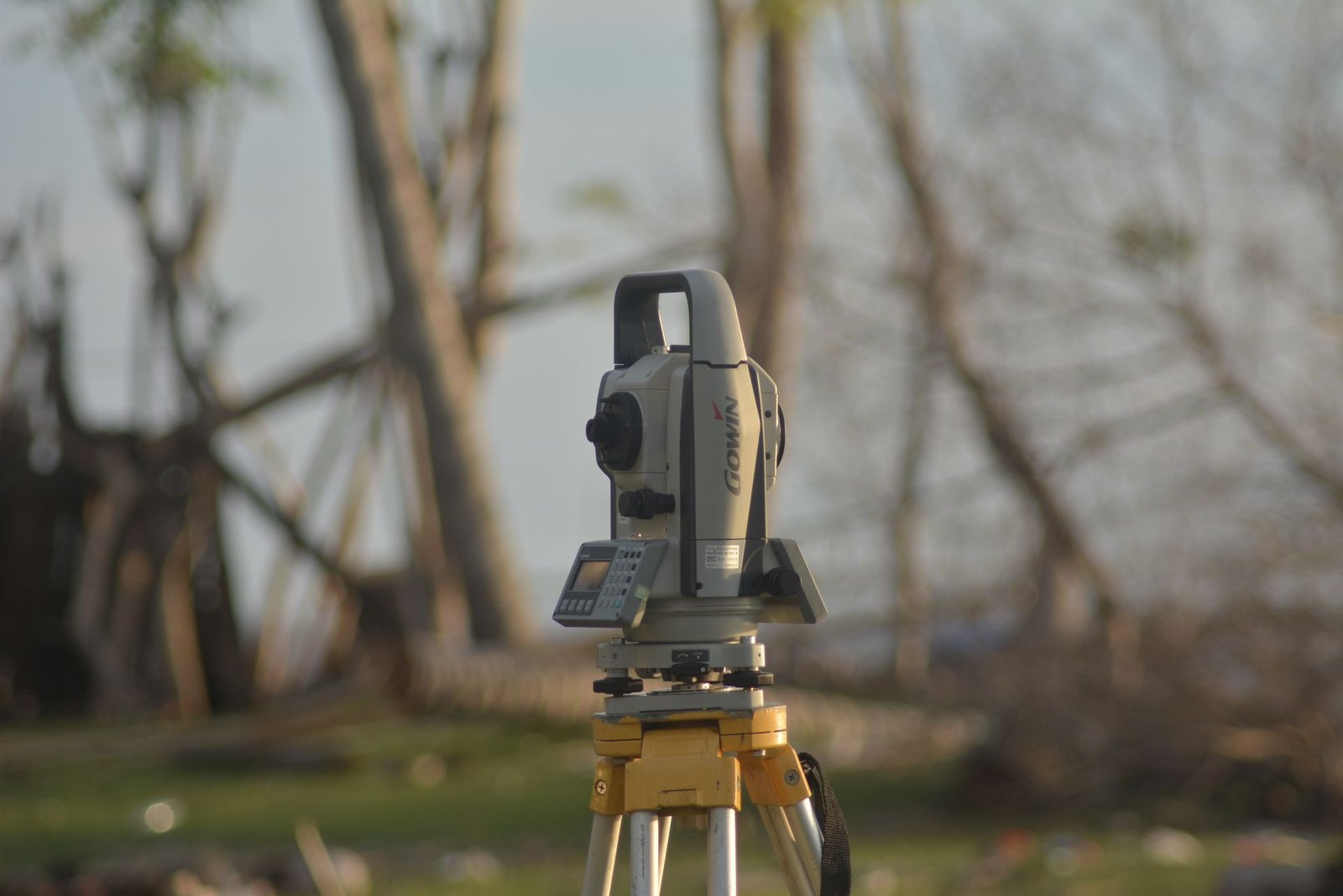
- Total station: the core of setting-out and site and building surveys.
- RTK GNSS receiver (base and rover, or rover with a correction service): for large areas and open land.
- Automatic level with staff: for levels and grid levelling.
- Accessories: tripods, prisms and poles, tribrach, spare batteries, tape, nails and marking spray.
- A capable laptop for drafting and processing software.
New, used or rented?
- Renting suits the first months or a single large project, until you know what work comes in.
- Used saves much of the capital, but must be checked and calibrated before you pay.
- New brings warranty and support, and suits the instrument you use every day.
Read: checking a used survey instrument before buying, survey equipment rental in Egypt and survey equipment prices in Egypt, or browse our survey instruments.
4. Software
- AutoCAD for drafting and drawing output.
- Civil 3D for surfaces, contours, sections and quantities.
- GIS software such as ArcGIS or QGIS for maps and spatial data.
- Your instrument brand's transfer software to download observations.
- Excel for coordinate, level and quantity tables.
Also try our free surveying tools, such as coordinate conversion and cut-and-fill.
5. The team
- A survey engineer to plan work, check observations and sign drawings.
- At least one surveyor or technician for field work.
- A CAD drafter; the engineer can cover this at first.
6. Services to open with
- Land and boundary surveys and areas for individuals.
- Setting-out of axes and levels for contractors.
- Topographic surveys and contour maps.
- Quantity surveys and cut-and-fill.
Start with one or two services you do well, then grow.
7. Winning your first clients
- A Google Business Profile with the right address, hours and real photos of your office and work; ask every client for a review.
- A simple website explaining your services, deliverables and how to request a quote.
- Relationships with contractors and engineering offices nearby, who need setting-out and surveys repeatedly.
- Supplier registration with companies and bodies that tender survey work.
- A written quotation every time, with scope, deliverables and timing.
Common first-year mistakes
- Buying very expensive instruments before you know your workload.
- Working with an uncalibrated instrument, which costs accuracy and reputation.
- Verbal pricing without a written quote, which leads to disputes at handover.
- Not backing up observations and files.
- Promising unrealistic delivery dates.
How EL EMAN can help
We are a surveying and contracting office in Sidi Gaber, Alexandria, offering new and used survey instruments, rental, calibration and repair, and we explain how to use each instrument before handover. If you are setting up an office, tell us the work you will start with and we will suggest instruments that fit your budget.
FAQ
Do I have to be an engineer to open a survey office?
Many authorities require a registered engineer's stamp and signature on drawings and reports, so a syndicate-registered survey engineer matters for most official work.
Should I start with a total station or GPS?
For sites, buildings and setting-out, start with a total station. For open land and large areas, GNSS saves a lot of time. Many offices start with one and rent the other when needed.
Is a used instrument a safe choice?
Yes, if you field-test and calibrate it and confirm its source and accessories before paying.
Can I issue registry surveys from day one?
Registry survey data is issued by specific bodies or offices approved by them, so approval has to come first.
How do I know my instrument needs calibration?
If traverse or level closures drift, or the instrument was knocked or transported far, check and calibrate it before work.

About the author
Eng. Mohamed Ibrahim Abouhamida
Founder and general manager of EL EMAN General Contracting & Surveying Office in Sidi Gaber, Alexandria, since 2021. He oversees land surveys, setting-out, quantity surveys and contracting works, as well as surveying equipment sales, rental and calibration.