Why Buy a Used Survey Instrument?
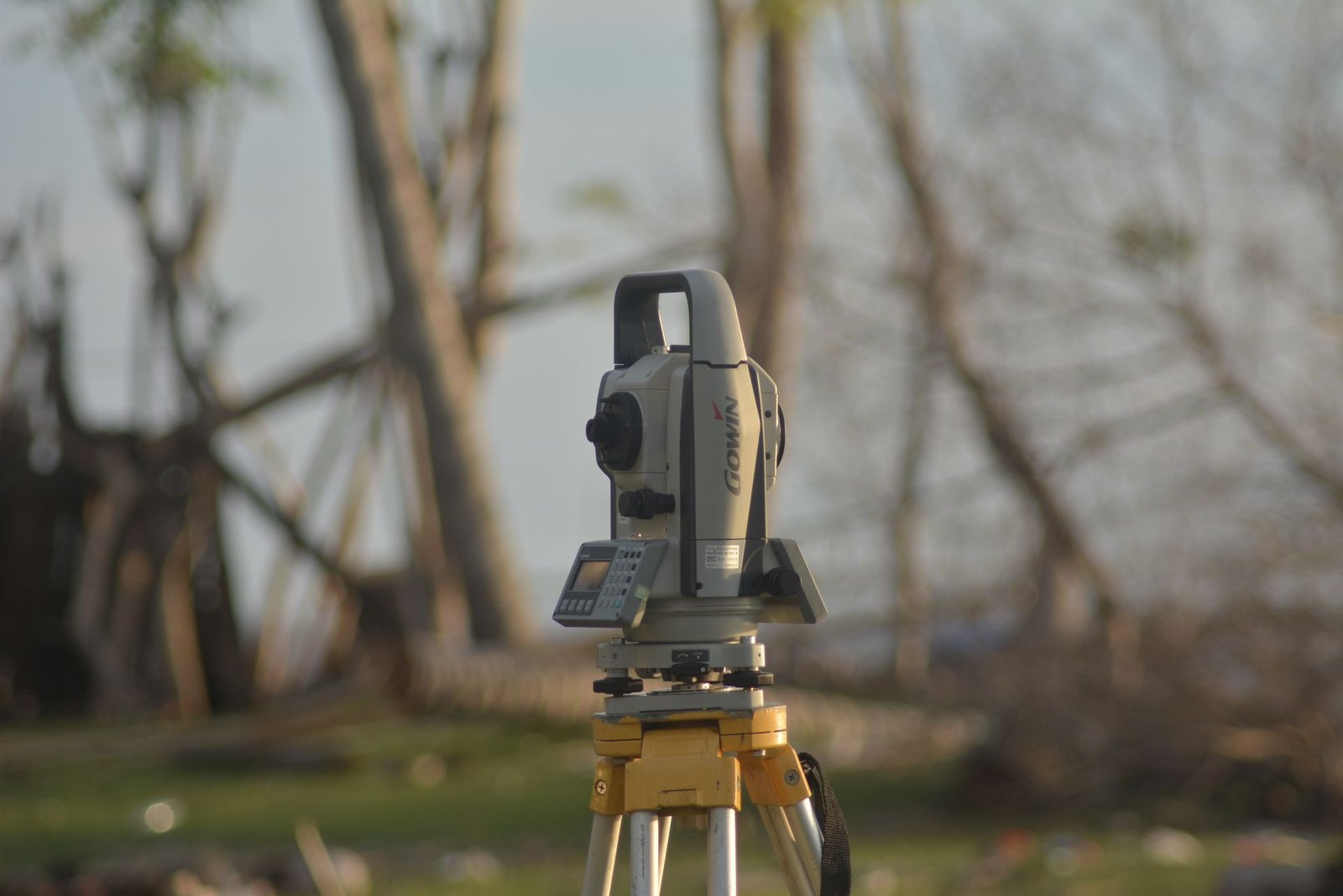
Purchasing a used total station or GNSS receiver can save 30 to 60 percent compared to buying new, making it an attractive option for startup firms, small contractors, and teams that need equipment for a specific project. However, those savings evaporate if the instrument has hidden defects. A thorough pre-purchase inspection is therefore essential.
El-Eman Office offers certified pre-owned instruments through our equipment sales division, each professionally inspected, calibrated, and backed by a quality guarantee. Whether you buy from us or elsewhere, the checklist below helps you evaluate any used instrument.
External Inspection
Start with a careful visual examination. Look at the instrument body for deep scratches, cracks, dents, or signs of a drop. Surface wear is normal on any field instrument, but structural deformation suggests an impact that may have shifted internal components.
Inspect the objective and eyepiece lenses for scratches, haze, or fungal growth. Clean, defect-free optics are essential for accurate targeting. Open the battery compartment and check for leakage residue or corrosion on the contacts. Examine the leveling screws; they should turn smoothly with consistent resistance and no wobble. Finally, inspect the tribrach clamp and mounting plate for wear.
Functional Testing
Power the instrument on and let it run for 15 to 20 minutes. This tests battery stability and thermal behavior. Watch for error messages, spontaneous shutdowns, or display anomalies during this warm-up period. Test every key and button to confirm responsiveness. If the instrument has a touchscreen, verify that touch registration is accurate across the entire display area.
Try connecting a USB cable and pairing via Bluetooth to confirm that communication ports work. Transfer a test file in both directions. If the instrument stores data on an internal card, verify that the card is recognized and that you can read and write to it.
Field Accuracy Test
This is the most important step. Take the instrument outdoors and test its accuracy against known references. For angle accuracy, observe a well-defined target in both face-left and face-right positions. The difference between the two positions should not exceed twice the manufacturer's stated accuracy.
For distance accuracy, measure a known baseline several times. The standard deviation should fall within the published specification. If you are unsure how to perform these tests, our team at El-Eman Surveying Office can evaluate the instrument professionally and issue a detailed condition report.
Compensator and Axis Check
Modern total stations have a dual-axis compensator that automatically corrects for tilt. To test it, level the instrument, then deliberately disturb the leveling slightly in one direction. The instrument should display an over-tilt warning if you exceed the compensator range, and readings should return to their correct values when you re-level.
Check that the vertical axis rotates smoothly in both directions without resistance, clicks, or vibration. Any grinding or clicking noise during rotation may indicate bearing damage, which is a costly repair.
Documentation and History
Ask the seller for the most recent calibration certificate and maintenance log. An instrument calibrated within the past six months offers greater confidence in its accuracy. Verify that the serial number on the instrument matches the certificate, the carrying case label, and any sale documents.
Ask why the instrument is being sold and how many hours it has been used. An instrument sold because the owner upgraded to a newer model is usually in better condition than one sold due to recurring problems. For more guidance on working with surveying professionals, read our FAQ about hiring a surveying office or contact us for a free consultation.