Why Regular Calibration Matters
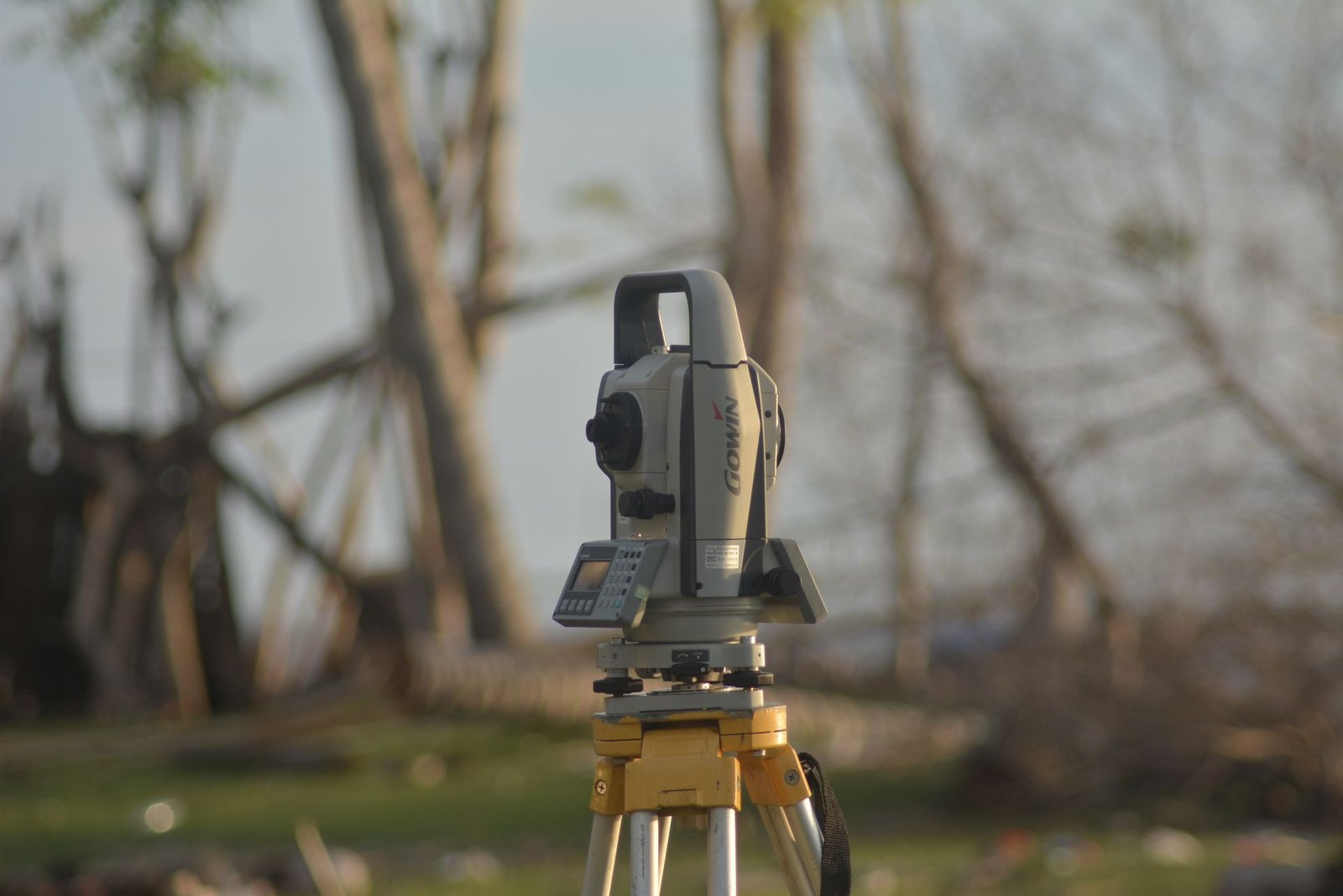
Periodic calibration is the primary guarantee of survey instrument accuracy. Through normal use, field instruments experience vibrations, temperature swings, and occasional bumps that gradually shift their internal alignment away from factory specifications. This drift can be so gradual that a surveyor does not notice it in daily measurements, yet it accumulates over time and degrades the quality of every survey the instrument produces.
El-Eman Office provides certified calibration services for all types of survey instruments through our equipment division, with traceable certificates issued after every service.
When Should You Calibrate?
Certain events should trigger an immediate calibration. First, after any drop, collision, or hard impact, even if the instrument appears undamaged externally. Second, when you notice unusual discrepancies between face-left and face-right readings that persist across multiple setups. Third, before any high-accuracy project if the instrument has been idle for an extended period.
As a general guideline, total stations in regular use should be calibrated at least once a year. Instruments used daily under harsh conditions may need calibration every six months. GNSS receivers require calibration less frequently because most corrections are handled in processing software, but their antennas should be checked annually.
Daily Checks You Can Do Yourself
Before discussing professional calibration, there are simple checks every surveyor should perform routinely. For a total station, observe a well-defined target in both face positions and compare the mean angles. If the discrepancy exceeds twice the stated accuracy, the instrument needs professional attention.
For an automatic level, perform the Two-Peg Test regularly. Set up the level midway between two points, read the staff on each, then move the level next to one point and repeat the readings. The difference reveals the collimation error. If the error exceeds the allowable tolerance for your instrument class, send it for adjustment. These field checks take only a few minutes and catch problems before they affect project deliverables. Our surveying services team can train your crew on these procedures.
What Does Professional Calibration Include?
Professional calibration covers several precise procedures. For total stations, it includes adjusting the horizontal and vertical circles, testing and calibrating the dual-axis compensator, verifying the EDM against a certified baseline, and correcting the line-of-sight error.
For automatic levels, calibration involves testing the compensator, verifying the line of sight, and checking accuracy at various distances. These procedures must be carried out in a temperature-controlled environment using certified reference targets and baselines. The process typically takes one to three business days depending on the instrument type and the extent of adjustment required.
The Calibration Certificate
After calibration, the laboratory issues a certificate that records the date, the measured values before and after adjustment, the reference standards used, and the responsible technician. This certificate is a legally significant document that may be required in boundary disputes, court cases, or when submitting survey deliverables to government agencies.
Keep copies of all calibration certificates organized by date and linked to each instrument serial number. When working on projects that require a quality management system such as ISO 9001, up-to-date calibration certificates are a mandatory part of the accreditation audit. For details on calibration pricing, see our survey cost guide.
Tips for Maintaining Accuracy Between Calibrations
Between calibration intervals, good habits extend your instrument's accuracy. Store instruments in their original cases in a dry, temperature-stable environment. Avoid prolonged exposure to direct sunlight. Use a shock-proof transport case when moving equipment between sites. Clean optics with lens-specific tissue and fluid, never with ordinary cloth.
Run your daily field checks after any journey that involved rough roads or heavy equipment nearby. These checks take minutes and confirm that the instrument has not shifted during transport. Contact our team for a free consultation on calibration schedules tailored to your equipment and workload.