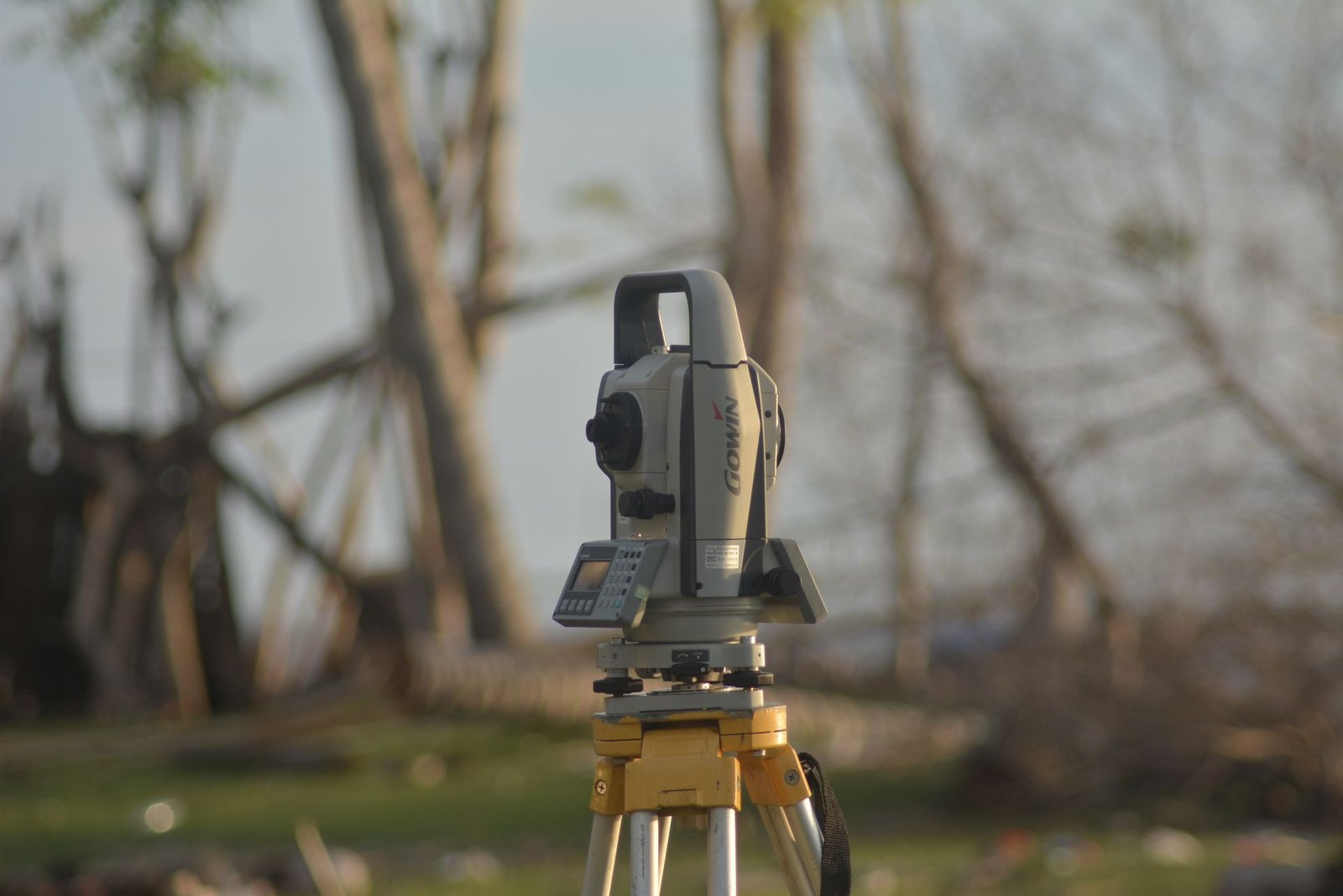
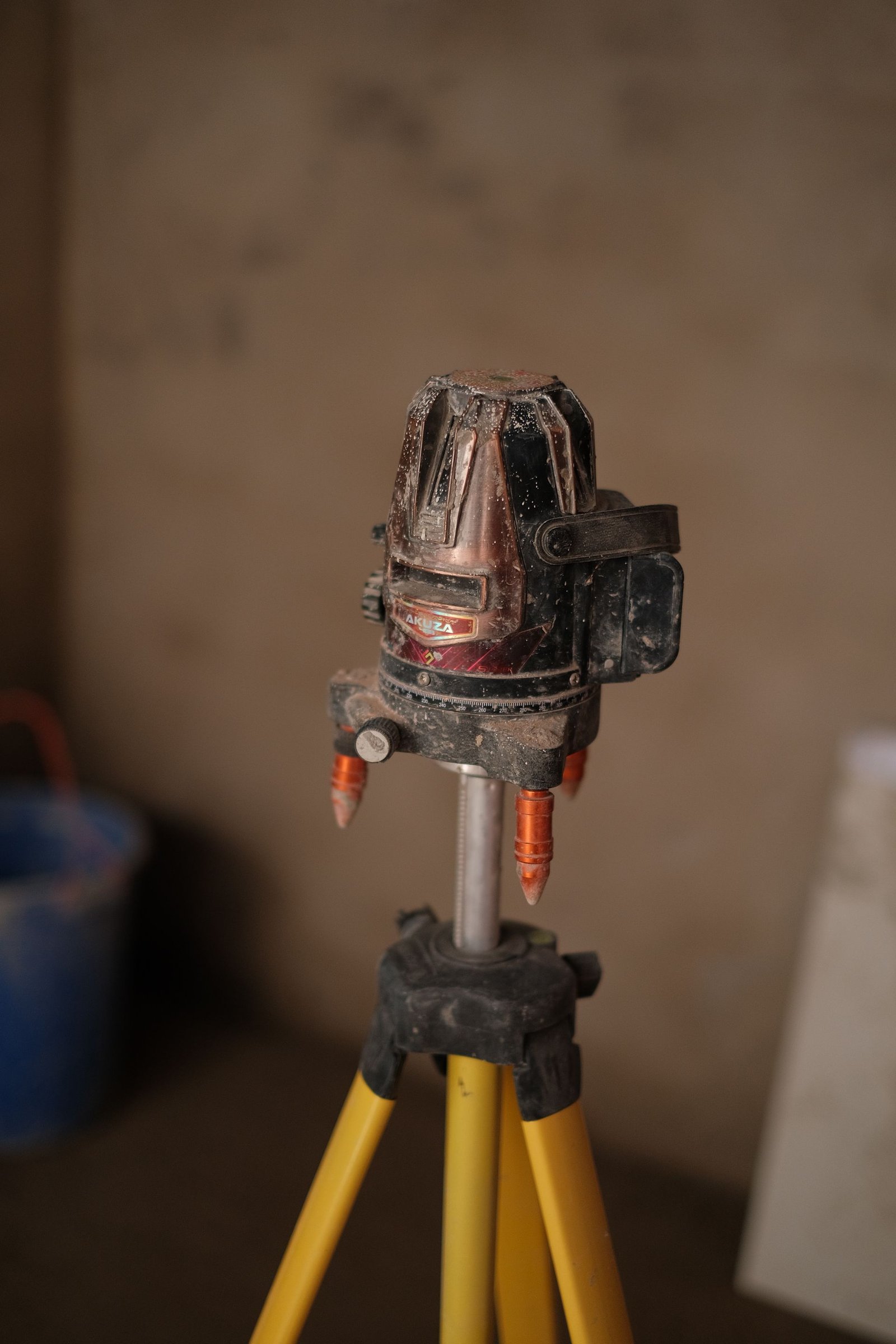
The Automatic Level — A Workhorse of Construction Surveying
The automatic level, often simply called a dumpy level or builder's level, is one of the most frequently used instruments on a construction site. It measures height differences quickly, accurately, and affordably, making it the default tool for transferring benchmarks, checking foundation levels, verifying slab flatness, and monitoring settlement. Despite the rise of more complex instruments, the automatic level remains indispensable because of its speed, simplicity, and reliability in the dusty, busy environment of a building site.
Types of Levels and How They Differ
Standard automatic levels provide a levelling accuracy of about 2.5 millimetres per kilometre of double-run levelling, which is more than adequate for general construction. Digital levels read a bar-coded staff electronically, eliminating human reading errors and recording data directly into memory — useful for large-volume levelling runs. Precision levels, with accuracies around 0.3 millimetres per kilometre, are reserved for deformation monitoring and high-accuracy control surveys. El-Eman Office stocks a range of surveying equipment including automatic, digital, and precision levels suited to every application.
Choosing the Right Level for Your Site
Several factors guide the choice. **Accuracy requirement:** routine construction checks need only a standard level, while deformation monitoring demands a precision model. **Working environment:** dusty, wet sites call for an instrument rated IP55 or higher. **Staff type:** a digital level requires a bar-coded staff; using a standard staff limits you to optical reading. **Range:** most levels have a working range of 60 to 100 metres, and sites with long sight lines may need a model at the upper end. **Budget:** a standard automatic level costs a fraction of a digital model, so there is no point in over-specifying.
Common Site Applications
On a construction site, the level is used constantly. Transferring a known elevation from a benchmark to working areas across the site. Checking the founding level of pad, strip, and raft foundations before and after the concrete pour. Setting formwork levels before slab pours. Checking finished floor flatness against specification. Monitoring building settlement over months or years by re-levelling targets on columns or walls. El-Eman Office's surveying services cover all of these applications with experienced crews.
Tips for Accurate Levelling Results
Equal backsight and foresight distances cancel collimation error — make this a habit, not an afterthought. Keep the staff vertical using the built-in circular bubble; a tilted staff gives a reading that is always too high. Avoid reading below about 0.3 metres above the ground, where heat shimmer distorts the image. Set up on stable ground, not on fresh fill or a vibrating floor. For more on the cost of professional surveying including levelling services, refer to our pricing guide.
Maintenance and Care
Clean the objective lens with a soft cloth only — never tissue or clothing, which can scratch the coating. Store the instrument in its case between uses. Check the circular bubble adjustment periodically by rotating the instrument 180 degrees; if it drifts, adjust it using the capstan screws. Test the compensator by gently tapping the instrument during a reading — the cross-hair should wobble and return to the same position. For expert guidance on choosing a surveying office, review our selection criteria guide.