The Nile Delta governorates — Gharbia, Dakahlia, Sharqia, Monufia, Qalyubia, Kafr El Sheikh, and Damietta — represent Egypt's agricultural and industrial heartland. With increasing urbanization, the demand for specialized surveying services is growing.
Services include agricultural land surveys, urban project surveying, land subdivision, permit and settlement files, and quantity calculations. EL EMAN Office serves all Delta governorates including Tanta, Mansoura, Zagazig, Shebin El Kom, Benha, Kafr El Sheikh, and Damietta. Contact us for a customized quote.
Looking for the best surveying office? Read our guide to choosing the best surveying office in Egypt: 8 criteria to compare any land surveying office before you sign.
The Delta: farmland and buildings side by side
Around Tanta, Mansoura and Zagazig, urban areas sit beside farmland and there are many small adjoining holdings, so surveying work needs great care in fixing boundaries. Complexity grows with the presence of canals, drains and old roads, and overlap between possession and registered ownership.
- Precise boundary surveys of small, adjoining plots.
- Matching actual dimensions with documents and holding maps.
- Documenting the current situation before any sale or division of an inheritance.
Construction in Delta soil
Delta soil is generally soft clay in many places, with groundwater close to the surface. This obliges the designer to study the soil and choose a suitable foundation system to prevent settlement. Attention is also needed to damp-proofing and to materials suited to a groundwater environment.
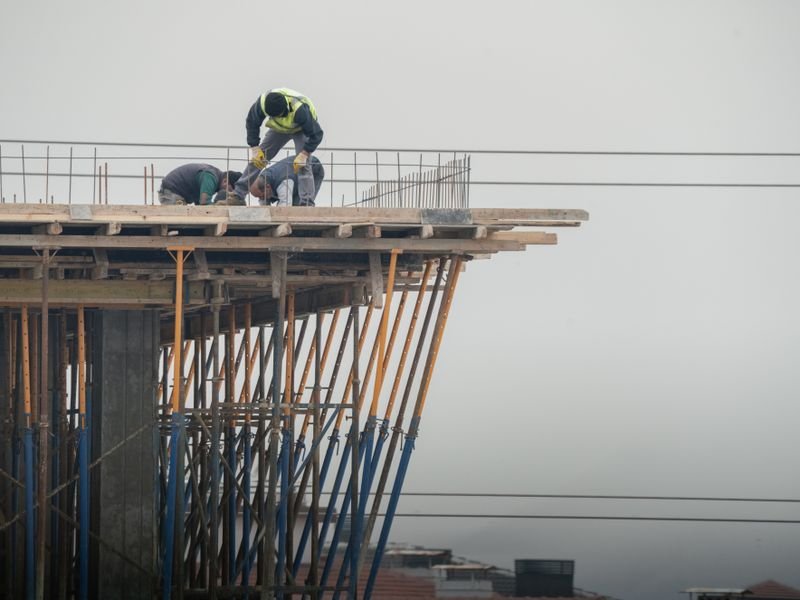
When building next to existing structures, excavations need precautions to protect neighbouring buildings, with monitoring for tilt and cracks.
Services often requested in the region
- Dividing an inheritance and setting out shares on the ground.
- Surveying an existing building to prepare permit or settlement files.
- Levelling land before building and calculating fill quantities.
- Preparing plans for factories and small warehouses.
In all of this it helps to specify exactly what is needed so the client receives drawings that the receiving authority will accept.
Foundations and protecting neighbouring structures
Land with a high groundwater table needs special care during excavation. Temporary dewatering and support of the excavation sides may be needed to prevent collapse. Next to attached buildings, any cracks or movement in neighbouring buildings should be monitored before and after excavation, and their condition documented with photos and an inspection record that protects the owner from later claims. The surveyor uses small monitoring marks on neighbouring buildings to measure any movement during construction.
- Coordinate with neighbours before excavation begins.
- Check the building floor level against the street to avoid water pooling.
- Use suitable waterproofing for foundations and walls in contact with soil.
These simple measures reduce disputes and protect both the new and the old buildings.
Frequently asked questions
How is inherited land divided among heirs?
It starts with surveying the land and calculating its area, then fixing each heir's share and setting out the plots on the ground according to the heirs' agreement or a court ruling if necessary.
Does being near a canal affect building?
There may be requirements and setbacks from the irrigation authorities, so ask about them before design.
Do we need a soil study for a small house?
It is recommended, since clay soil and groundwater can cause foundation problems if ignored.