Why Construction Site Safety Is Not Optional
Construction sites are among the most hazardous work environments. The risks range from falls at height and trench collapses to struck-by incidents and electrical injuries. Proper safety practices protect workers' lives, shield the contractor from legal and financial liability, and prevent costly project shutdowns caused by accidents.
The Major Hazards on a Building Site
Site hazards fall into several broad categories. Falls from height during structural and finishing work account for a large share of serious injuries. Trench collapses, especially in unsupported sandy soil, can be fatal within seconds. Moving heavy equipment and cranes pose struck-by and crushing risks. Exposure to hazardous materials, including cement dust, solvents, and silica, affects long-term health. Electrical hazards from temporary wiring are another frequent cause of incidents. The contracting team at El-Eman upholds strict safety standards across every project site.
Elements of an Effective Safety Plan
A working safety plan identifies the hazards specific to each construction phase and prescribes preventive measures for each one. It should include a regular training programme for all site personnel, an incident and near-miss reporting system, and a protocol for supplying personal protective equipment suited to every type of task. The plan must be a living document that is reviewed and updated as the project progresses through different phases.
Essential Personal Protective Equipment
The basic PPE on any building site includes hard hats to protect against falling objects, safety goggles during cutting and welding, ear protection in high-noise zones, steel-toe boots, safety harnesses when working at height, and gloves appropriate to the task. Modern surveying equipment can also reduce the need for workers to enter hazardous zones, thanks to remote observation capabilities such as robotic total stations.
Safety Measures During Excavation Work
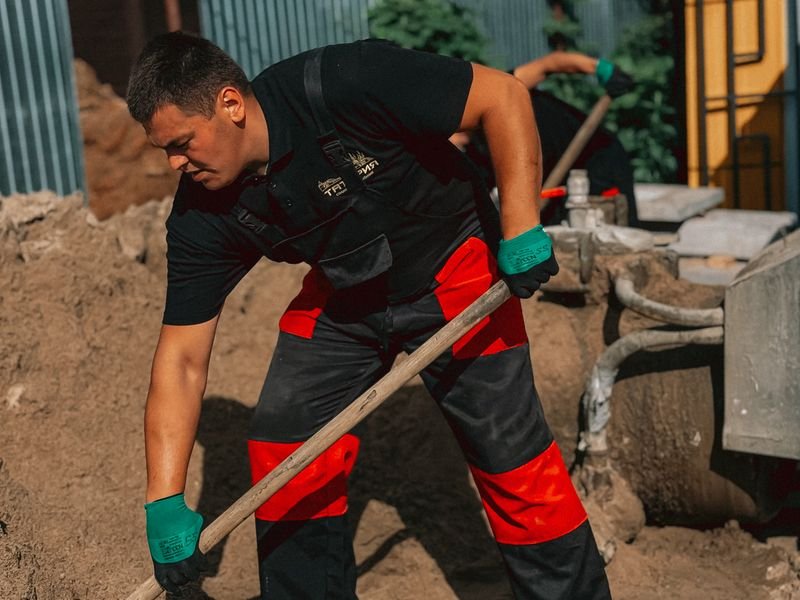
Excavation is one of the most dangerous construction phases. Trench walls must be inspected daily, particularly after rain, and shored or sloped when the depth exceeds safe limits. Barriers and guardrails should surround all excavation edges, and safe ladders must be provided for entry and exit. Critically, underground utilities must be located before digging begins, which underscores the importance of a detailed site survey that maps existing services in advance.
Building a Safety Culture on Site
Rules and procedures alone do not create a safe site. A genuine safety culture requires daily toolbox talks before work begins, a reporting environment where workers flag hazards without fear of punishment, recognition for safe behaviour, and immediate correction of unsafe acts. This culture starts at the top, with the project manager visibly demonstrating that safety is the priority, not an afterthought. If you are looking for a partner committed to the highest safety standards for your project, get in touch with our team to discuss your needs.