Coordinating Surveying, Contractor, and Consultant: The Key to Project Success
A construction project's success, regardless of its size or complexity, depends fundamentally on smooth and well-organized coordination among three key parties: the contractor who builds the physical structure, the consultant who supervises quality and compliance with specifications, and the surveying office that ensures the spatial accuracy of every element that gets constructed. When communication between these three parties follows clear and pre-agreed procedures, the project runs with significantly higher efficiency, fewer errors, lower costs, and fewer disputes. At El-Eman Office, we consider effective and professional coordination with all site teams to be as important as the measurements themselves, because even the most accurate survey data is useless if it does not reach the right person at the right time.
The Surveying Office as a Central Communication Hub
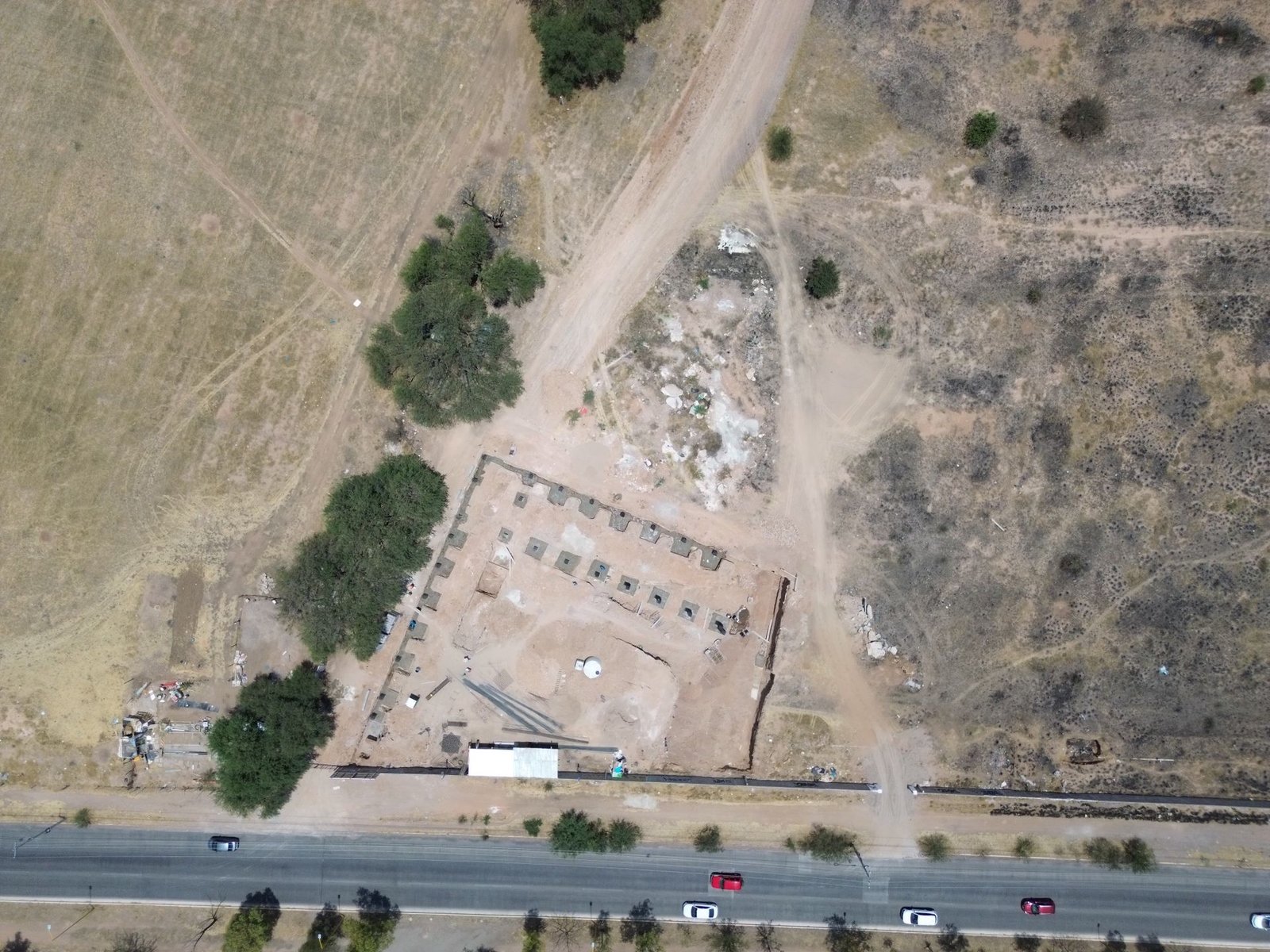
The surveying office occupies a unique and central position in the project management structure because it interacts directly and regularly with every other party involved. It receives approved construction drawings from the consultant and studies them carefully, then converts the design into physical coordinates and reference points on the ground using precise surveying instruments. It hands those coordinates and benchmarks to the contractor for execution, and after each construction phase is complete, it returns to verify what the contractor built against the approved drawings and submits detailed technical reports to the consultant. This repeating cycle of receive, set-out, verify, and report makes the surveying office the vital link that keeps spatial information flowing accurately, quickly, and transparently among all project stakeholders throughout the entire construction period.
Professional Coordination with the Contractor
Effective coordination with the contractor requires establishing a precise and detailed schedule for all surveying activities at the start of the project, designed so that surveying work does not delay construction operations or slow the pace of work on site. The surveying office and contractor agree on fixed time windows for setting-out gridlines, checking levels, accepting completed work, and conducting verification measurements. They also establish a formal written request mechanism: the contractor submits an official surveying request a set number of working days before the service is needed, typically between one and three days depending on the complexity of the work. This advance planning prevents unjustified construction delays and ensures the survey crew arrives on site with the right equipment at exactly the right time.
Technical Coordination with the Consultant
Coordination with the consultant focuses primarily on technical standards, engineering tolerances, and acceptance criteria. At the beginning of the project, the surveying office and consultant agree on the coordinate reference system and the main benchmark for levels, the allowable tolerances for setting-out positions and construction levels, the format and content requirements for reports and deliverables, and the mechanism for exchanging digital data. This agreement should ideally be documented in a comprehensive kick-off meeting attended by all parties so that expectations are aligned from day one and misunderstandings are prevented. Disagreements about tolerances or reference points discovered mid-project are far more disruptive and costly than a thorough coordination meeting at the start. You can also read our FAQ about contracting with a surveying office for more details on what to agree upon.
Early Clash Detection and Problem Prevention
One of the most strategically valuable roles the surveying office plays in a project is detecting clashes and problems early, before they become expensive to fix. During field setting-out, the survey team may discover that an existing utility line such as a sewer or electrical cable conflicts with a planned foundation location, or that the actual ground levels differ significantly from what the design drawings assumed based on older or less detailed survey data. In these cases, the surveying office issues an immediate and detailed technical report to the consultant with precise actual measurements, the observed discrepancies, and documentary photographs, allowing a corrective decision to be made before the error compounds and becomes much more costly to address. This early-warning function alone can save weeks of rework and significant project cost.
Practical Tips for Better Coordination
For the smoothest and most efficient project experience, we recommend appointing one dedicated coordination point-of-contact from each party who is exclusively responsible for surveying-related communication, using a unified and pre-agreed numbering system for all gridlines, control points, and benchmarks, holding brief weekly coordination meetings to review upcoming surveying needs and address any issues, and keeping all surveying requests and reports in writing with digital copies archived for reference. If you are looking for a surveying office that prioritizes professional coordination and effective communication, contact us today and we will prepare a comprehensive work plan tailored to your project's structure and requirements.