
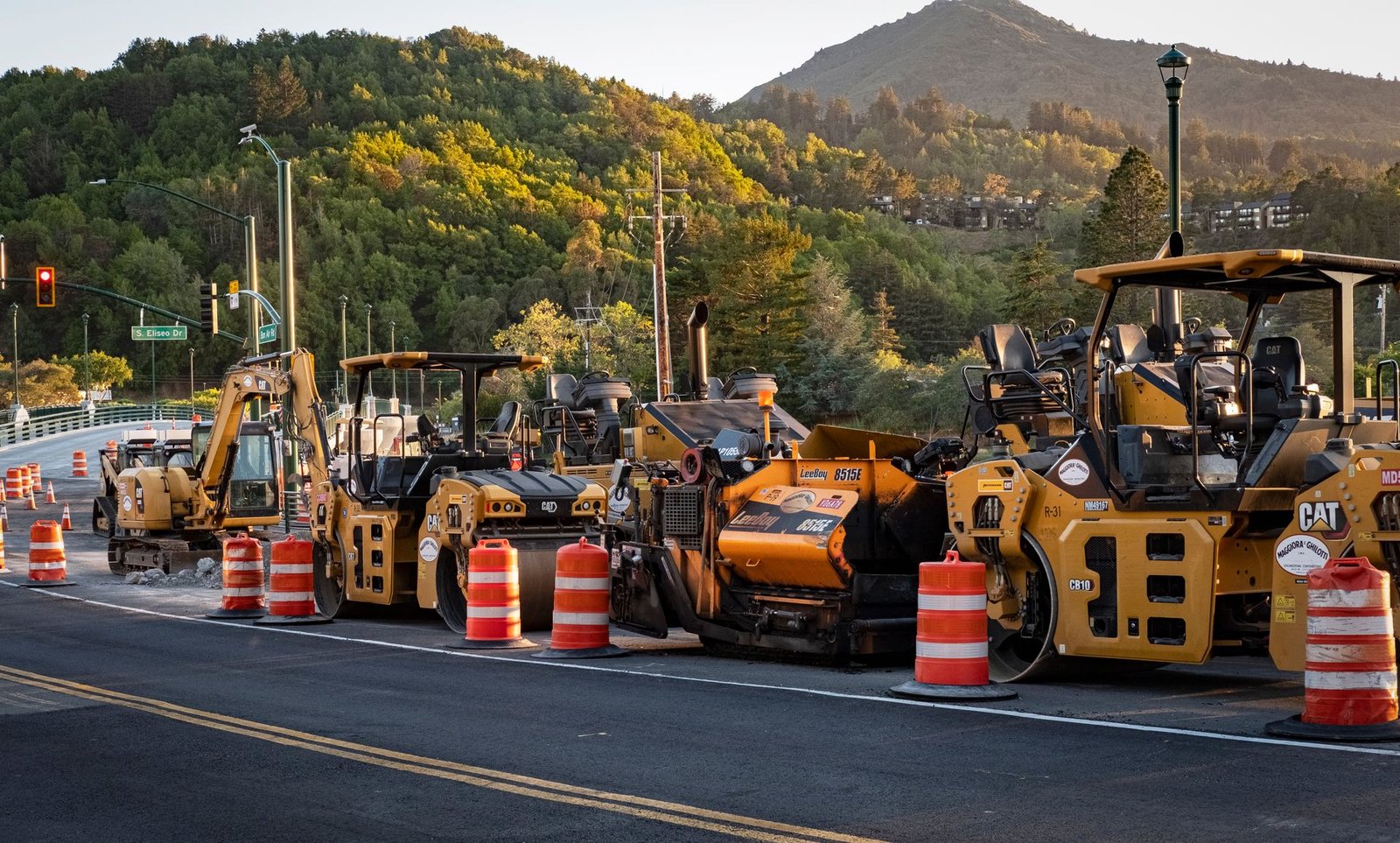
Planning Site Preparation the Right Way
Proper site preparation before construction begins is one of the most critical factors in a project's success. A well-prepared site reduces risk, creates a safer working environment, and sets the pace for everything that follows. This phase starts once building permits are in hand and before any heavy equipment arrives on site.
Step One: Baseline Survey and Documentation
Before any ground is disturbed, a comprehensive site survey should document existing conditions, including natural ground levels, adjacent structures, and existing utilities such as water mains, sewers, and electrical cables. This baseline protects both the owner and the contractor from future disputes over pre-existing conditions. El-Eman's surveying team provides this documentation using modern instruments that ensure accuracy and completeness.
Step Two: Securing the Site Perimeter
After the survey, the site needs to be enclosed with hoarding or fencing to protect the public and prevent unauthorised access. The enclosure should be robust enough to withstand weather conditions and include entry and exit gates with clear warning signs. In urban areas, hoarding requirements are stricter because of the proximity to residential buildings and shops.
Step Three: Establishing Temporary Infrastructure
A functioning site needs several temporary provisions before work begins. These include a temporary electrical connection to power equipment and lighting, a water supply for mixing and cleaning, site offices for supervision staff, secure storage for materials and equipment, and portable sanitation for workers. Designating material storage areas and truck routes within the site prevents congestion and keeps the workflow efficient.
Step Four: Demolition and Grading
If existing structures need to be removed, the demolition must be carried out safely and systematically, with waste disposal following environmental regulations. Once the site is clear, grading brings the ground to the design levels. This is where general contracting services handle the heavy earthwork, including excavation, backfilling, and compaction, under qualified technical supervision.
Step Five: Setting Out Building Lines
After grading, the surveyor stakes out the building axes and main construction lines on the ground. This step demands high precision because it determines the position of every structural element in the project. A total station is used to set out coordinates to millimetre accuracy, and permanent reference marks are established for use throughout the construction period.
Pre-Start Checklist
Before actual construction begins, confirm that all government permits are in place, that execution drawings have been approved, that a health and safety plan is ready, and that site insurance is active. For guidance on choosing the right partner to execute your project, reading about how to select the best surveying office provides practical pointers that apply broadly. When you are ready to start, reach out to us to discuss your project requirements.