Leveling Instruments
Types and uses of leveling instruments in surveying. El-Eman Office uses modern digital and optical levels for precise work.
Steps of a correct levelling run
Measuring heights with a level and staff follows an organised method so that errors can be detected. The run starts from a benchmark of known height, height differences are measured between successive points through instrument stations, and it ends by returning to the same benchmark or to another known one. The difference between the computed and known height at the end is the closing error. If it is within the allowed limit it is distributed over the points, otherwise the run is repeated.
Backsight and foresight
- Set up the instrument roughly midway between two points to reduce the effect of instrument errors.
- Read the staff at the backsight on the known point.
- Read the staff at the foresight on the point to be determined.
- The difference between the two readings gives the height difference between the points.
- Move the instrument to the next station, leaving the staff on the turning point until the new reading is taken.
Errors that affect accuracy
- Not levelling the bubble or the instrument before each reading.
- Staff leaning from vertical, which can be reduced with a staff bubble.
- Placing the staff on soft ground that sinks during measurement instead of on a dedicated metal base.
- Large differences between backsight and foresight lengths.
- Heat shimmer near the ground and very low readings on the staff.
- Booking and calculation mistakes, so the sheet is checked after every run.
Checking and maintaining the instrument
It is usual to check the horizontal line of sight with the two-peg test from time to time and after any knock. Store the instrument in its case away from moisture and vibration, clean the lenses with a soft cloth, and do not leave it in direct sun for hours without an umbrella. Periodic calibration by a specialist body matters for precise work.
Practical uses on construction sites
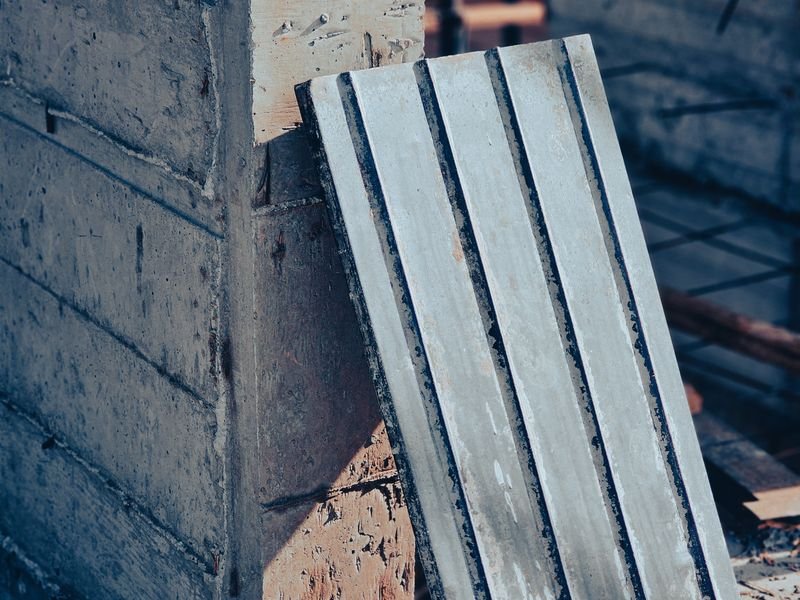
The level is used on site every day: carrying the zero level to the floors, setting formwork levels before pouring, checking floor flatness after pouring, and setting roof and drain falls. It is best to place fixed level marks in safe places inside the building, such as first-floor columns, so they are easy to return to instead of starting from a distant point every time.
- Write the level on the mark itself in clear lettering.
- Verify a level mark against another mark before relying on it.
- Record the date every time a mark is checked.
Frequently asked questions
What is the maximum suitable sight length?
It depends on the instrument's accuracy and the work requirements; the shorter the sight, the higher the accuracy. In precise work distances are kept short and the two sight lengths are made equal.
When do I prefer a digital level?
When work needs high accuracy and automatic recording of readings, such as settlement monitoring or large level networks.
Is a laser level suitable for setting out foundation levels?
It suits simple interior work such as floor and ceiling levels, but for foundations and larger works a survey level with an approved benchmark is preferable.